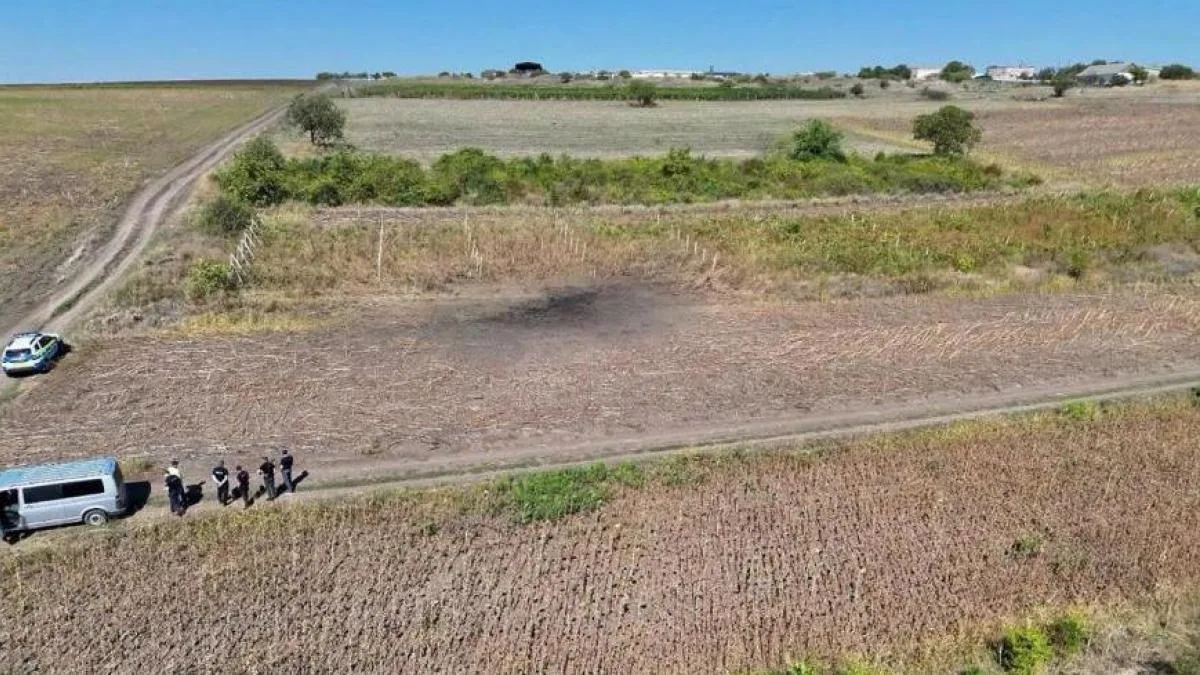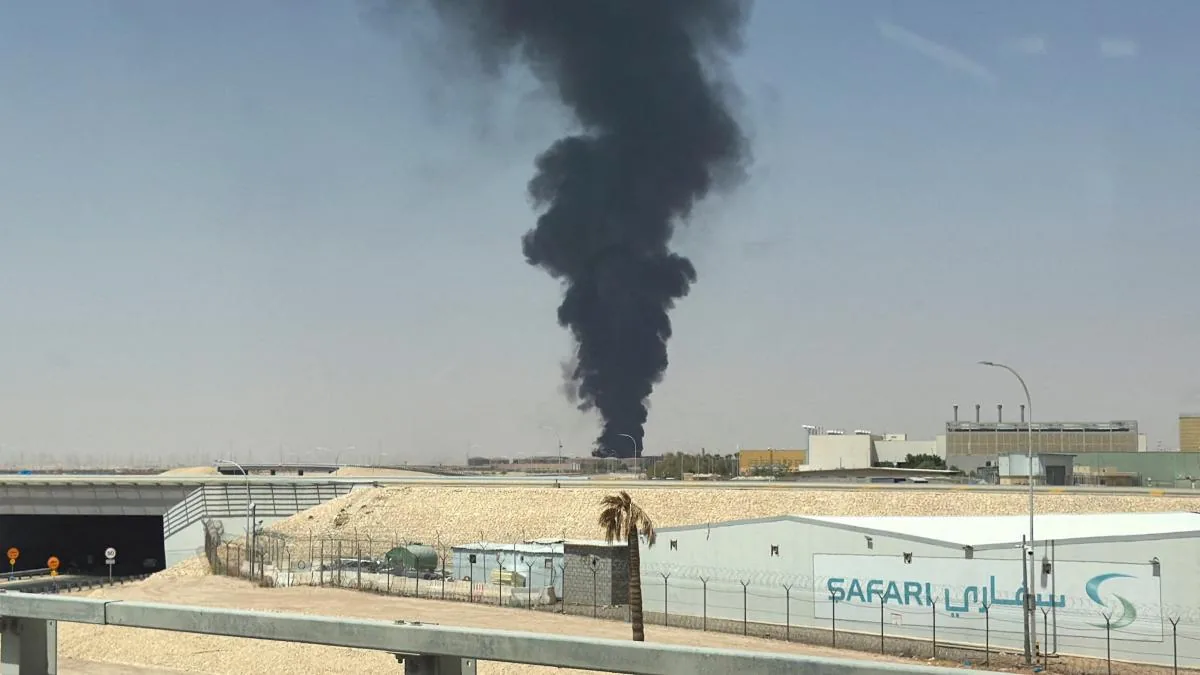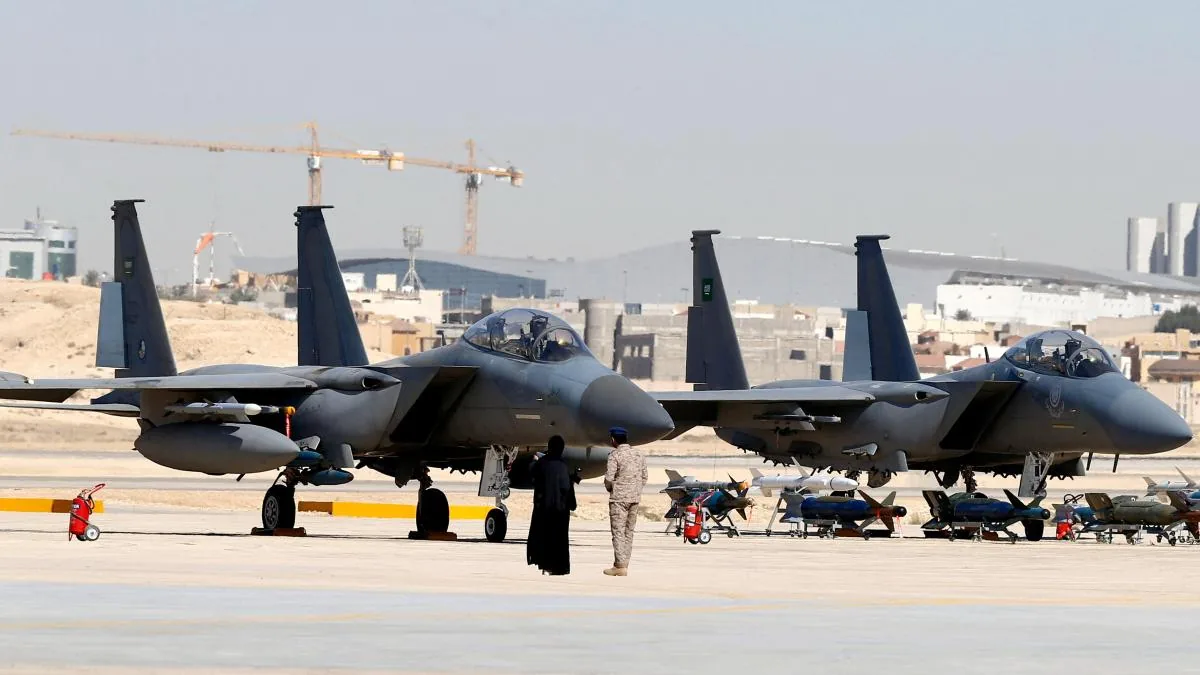
The Iran war has left the Gulf countries in a very delicate situation. The missiles and drones launched by Tehran in the first weeks of the conflict have shattered their image as an oasis of stability, while the blockade of Hormuz threatens to ruin their economy, heavily dependent on crude oil exports.
Read more The British Health Secretary resigns to run as a candidate against Starmer
Despite everything, since the crisis began, the petromonarchies have tried to convey an image of neutrality and restraint. In public, their message has been clear: the offensive by the United States and Israel against the Islamic Republic has not involved their participation.
But what happens off-camera is another matter.
In recent hours, it has emerged that both Saudi Arabia and the United Arab Emirates carried out military attacks against Iran in the days prior to the ceasefire.
According to Reuters, Saudi forces executed their operations at the end of March, in response to repeated aggressions by the ayatollah regime against Riyadh. The Saudi government has not confirmed these attacks, nor are the targets known, but this information is validated by Western and Iranian officials familiar with the matter. Those same sources claim that Saudi Arabia informed Iran of its actions, and that after intense diplomatic activity, both countries reached an agreement to reduce tensions. In fact, according to a Reuters tally, the more than 105 drone and missile attacks Saudi Arabia received during the last week of March dropped to just over 25 in the first week of April.
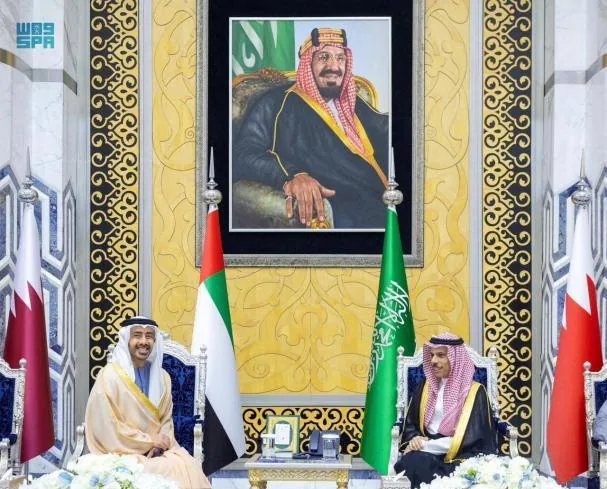
Meanwhile, the Emirates carried out their attacks against Iran in early April. According to The Wall Street Journal, their operations included a bombing of an oil refinery on Lavan Island. The offensive—which took place on the same day the truce agreed between Washington and Tehran came into effect—caused notable damage to the plant, which lost part of its production capacity for weeks. At the time, the Iranian state broadcaster accused the Emirates and Kuwait of being behind that strike, and Tehran responded with a wave of missiles against both countries.
Read more Trump stakes the mandate in Beijing
Like Saudi Arabia, the Emirates have not confirmed their participation in these military actions and have limited themselves to saying they have the right to defend themselves. Not for nothing, this petromonarchy has borne the brunt during the war: since hostilities began, it has been the target of more than 2,800 Iranian drones and missiles, attacks that have claimed the lives of at least a dozen civilians.
Iran’s harshness towards the Emirates has its explanation. This country is today the closest ally of the United States and Israel in the Persian Gulf. It was, along with Bahrain, the first kingdom to sign the Abraham Accords, through which Washington sought to normalize relations between Tel Aviv and the Arab world; and the current conflict seems to have given a boost to that alliance, especially in the military sphere. This very week, the U.S. ambassador to Israel, Mike Huckabee, confirmed that Tel Aviv provided Abu Dhabi with a battery of the Iron Dome defense system to repel Iranian attacks. This collaboration also included the deployment of military personnel. Never before had an Arab country agreed to this type of assistance.
All these revelations about the involvement of Saudi Arabia and the Emirates in the war now raise a new question: what will happen if the conflict restarts? Will Iran treat these countries as active combatants? If so, instability in the Gulf is more than guaranteed.
Read more Trump and Xi Jinping: the summit begins with many interests at stake