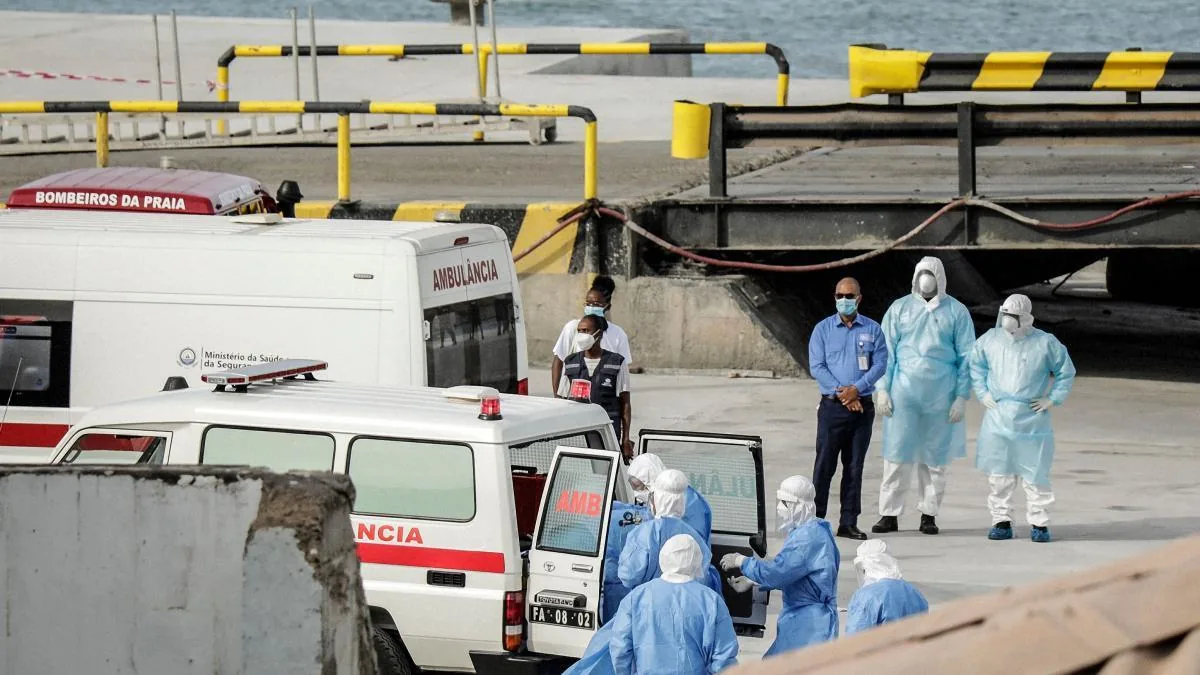
The outbreak detected on the cruise ship MV Hondius is an example of a public health event with international dimension and attention. It is not, in any case, a public health emergency, like Covid-19 was, for example.
Read more Ted Turner, the founder of CNN who revolutionized television, dies
On board the cruise ship, with more than 140 passengers and 70 crew members of multiple nationalities, 8 cases (confirmed or suspected) have been recorded so far, including 3 deaths. Three patients have tested positive (PCR) for Andes-type hantavirus. The situation has activated the coordinated response of the World Health Organization (WHO), the European Centre for Disease Prevention and Control (ECDC), and several involved states, including Spain. The International Health Regulations (IHR) are applied, legally binding for 196 countries, aiming to prevent, detect, and respond to events that may constitute a public health emergency.
Infection by Andes hantavirus is a zoonosis mainly associated with certain rodents (long-tailed mouse) and specific geographic areas (Argentina and Chile). Neither this type of mouse nor the virus are present in Spain. The usual transmission is by inhalation of contaminated particles from excrement, urine, or saliva of the hantavirus-infected mouse.
It is very likely that the contagion (the “primary cases”) occurred on the mainland, in Argentina (Patagonia). Some passengers, during an excursion, inhaled contaminated particles and became infected. With Andes hantavirus, the possibility of limited person-to-person transmission has been raised. This transmission route is very rare and not very effective: it is very difficult to catch, except perhaps in a closed environment, through close and prolonged contact (such as sharing the same cabin for days or weeks).
An outbreak like this on a cruise ship in the middle of the Atlantic poses multiple problems to reduce the risk of contagion on board, which the captain and crew of the MV Hondius are managing very appropriately, including logistical difficulties for healthcare and evacuation of patients.
Read more PSG eliminates Bayern and becomes a major finalist
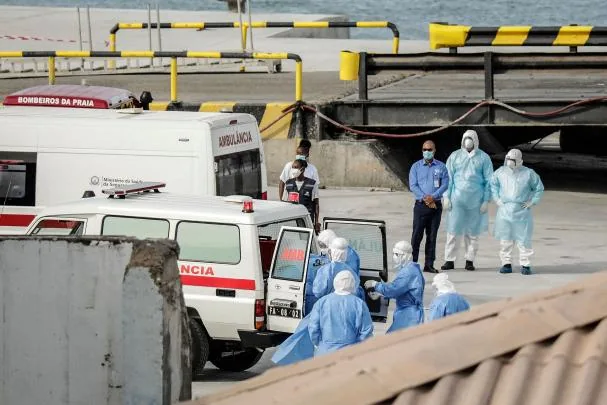
In application of the IHR, the WHO leads the response, working with the involved states. Medical evacuations, epidemiological investigations, and risk assessments must be coordinated. Yesterday, not without political controversy and media noise, it was agreed that the cruise would continue its journey and dock at the port of Granadilla (Tenerife), to properly manage the passengers and assess possible suspected cases. There are no longer people with symptoms and risk of severity traveling on the cruise, as they have been evacuated by plane from Cape Verde to the Netherlands, including the onboard doctor, who also fell ill.
The risk of transmission to the general population of Andes hantavirus is considered low or very low
The risk of transmission to the general population of Andes hantavirus has been considered low or very low. No general restrictions have been recommended, applying the principle of “maximum safety with minimal restrictions.” Pending the details of the specific action protocol, passengers will be assessed in Tenerife, possible new suspected cases (potentially infected persons with symptoms) will be detected, and quarantine measures will be recommended for contacts (exposed persons without symptoms). Healthcare professionals are prepared and will do things well.
The management of the MV Hondius outbreak highlights the need for international health cooperation. It well illustrates the principle of communication in public health crises: what real risk exists (in this case very low) and what is the level of fear or outrage among citizens (which does not necessarily coincide with the real risk). It also reminds us of the importance of having safe and reliable information. Given the current noise, which I believe is largely unnecessary, one might say: “Please, silence: Hospital.”
Read more UPF students respond to the dean: “We are not the only ones to blame for not attending class”