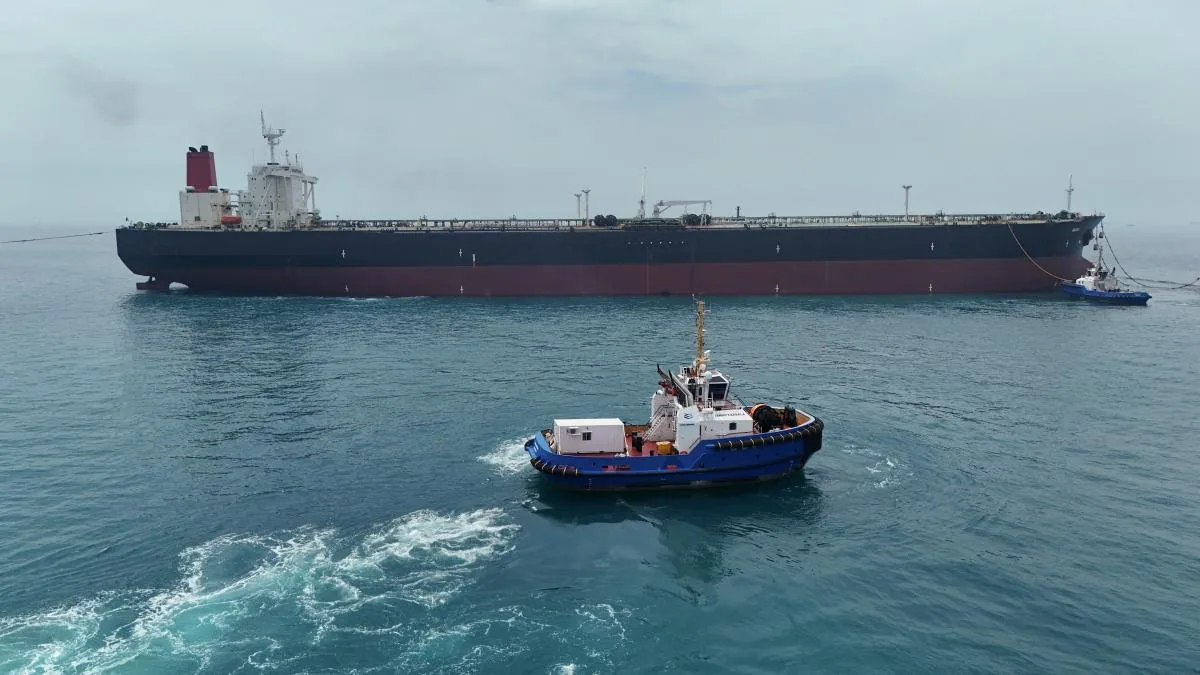
Someone was inhaling butane. Energy experts had long been warning that the war in Iran was causing the biggest oil supply shock in history. The closure of the Strait of Hormuz took 14 million barrels of crude oil per day off the market. To destroy so much demand, they said, the price of Brent should be more than double the pre-war level, sitting well above $150 per barrel. However, oil market operators seemed drowsy. Until April 17, prices were below $90 per barrel. In the last week, amid rumors of a worsening of the fighting, they have started to react. On April 30, prices exceeded $125.
Read more Employment exceeds 22.1 million affiliates for the first time
Unfortunately, as bad as things are, the disconnect with reality persists. Not only is it possible that spot prices will continue to rise, but the oil futures market, where speculators bet on price developments, predicts that prices will fall every month for the rest of the year and end 2026 around $88. That implies that most of this shock will soon be reversed. If so, investors must believe three things: that the United States and Iran will soon reach a peace agreement, that this agreement will allow the Strait of Hormuz to reopen, and that shortly after the passage is cleared, gasoline and kerosene will be abundant again. All these premises are doubtful.
One thing everyone should agree on is that if the strait remained closed it would be a disaster. At the start of the war, there was a lot of oil stored or on tankers at sea. But the ships that crossed Hormuz before the conflict had all docked before April 20. Soon, oil reserves will be at their lowest level since satellite tracking began in 2018. The amounts of gasoline, diesel, and kerosene stored at sea are already so low that supply problems will be inevitable. Moreover, in the United States, gasoline demand is about to skyrocket, as summer encourages people to get in their cars and travel.
The Asian petrochemical industry has already shut down part of its capacity
Everyone must also be aware of what is at stake. The Asian petrochemical industry has already shut down part of its capacity. Since the war began, diesel and kerosene prices have doubled in Asia and more than doubled in Europe. Unlike stock markets, where bubbles can be maintained only by irrational enthusiasm, the price of oil is linked to the economy at gas stations, ports, and airports. If supply does not meet demand, prices must rise to restore balance. There are already reports of diesel barrels selling for $600. Optimism alone cannot replace reality.
The reasons for optimism are obvious. Trump’s uncontrolled posts indicate not only that he is adrift but also that he will intervene whenever oil prices rise too much. The Iranian economy is broken: it urgently needs liquidity, which means it will also be interested in reaching an agreement. If a stalemate brought ruin to both sides, it would end.
The Economist is reluctant to question those who have the data in hand and billions of dollars at stake. However, markets have a poor track record when it comes to assessing geopolitical risk. Moreover, in the case of oil, they find it difficult to evaluate the complexities of physical trade.
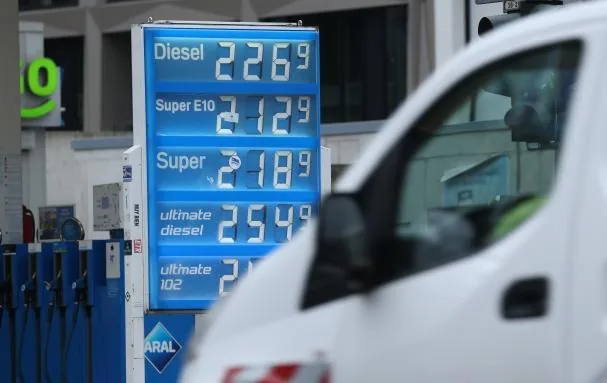
Even if an agreement is beneficial for both countries, it could be difficult to finalize. Each side may be underestimating the other. Trump seems to believe he holds all the cards. However, Iran has already endured long interruptions in its oil exports, as happened at the start of Trump’s “maximum pressure” sanctions campaign in 2018. Iran is not a democracy and the regime can endure while its population suffers. It has incentives to hold out and wait for a good deal for as long as possible. Trump can resume bombings, but that is as likely to delay an agreement as to facilitate it.
Read more When the kitchen is soul
Also, with the US midterm elections approaching, Iranian leaders may think Trump cannot tolerate a high oil price. However, Trump acts out of self-interest. He may try to curb price rises in his country by limiting exports of refined products. He may think the midterm elections are already lost, at least in the House of Representatives. He is probably less concerned about the political careers of Republicans than the personal humiliation that signing a nuclear deal with Iran worse than Barack Obama’s in 2015 would cause. His latest signal to Iran is that he is preparing for a prolonged blockade.
Even if an agreement is reached, the strait may not fully reopen. On the one hand, the fearsome details of a nuclear pact will take months to negotiate. Now that Iran has discovered it has leverage, it might be tempted to use it with threats to close the strait again. And threats can lead to attacks. Trump may prioritize eradicating the nuclear program over fully reopening the strait; after all, the United States is an energy exporter. If the United States agreed to let Iran treat Hormuz like a toll, what would happen then?
Also read
And although the strait is initially open, in practice filling fuel tanks will remain vulnerable to many unpredictable delays. A surge in oil is expected when the tankers that were waiting sail fully loaded to the Indian Ocean. However, empty tankers returning to the Persian Gulf will be more complicated. Many will have accepted orders on other routes. The strait will have to be cleared of mines, a task that could take months. Insurance premiums could be prohibitive, so governments may have to organize a system to cover extreme risks. The production shutdown could have damaged oil wells. Resuming extraction will also take time. Refineries that have been partially shut down will not immediately return to full capacity.
The world is only beginning to understand what might be coming. Central banks may soon face the second inflation wave of the decade, after the covid-19 pandemic. In Asia, many governments have already taken drastic measures, such as reducing the workweek. European governments will also have to change course. So far, they have focused on supporting consumer demand. They may have to manage demand destruction and, given the possible shortage of diesel and kerosene, prepare plans to protect food distribution and essential services.
Optimistic investors could also get a nasty shock. The recovery after covid, Europe’s adaptation to the loss of most Russian gas, and Trump’s tariff moderation have made markets confident that everything will be fixed. In a context of strong corporate profits in the United States, it may seem that the global economy can withstand any blow, and that Trump will obviously back down before a catastrophe occurs. The scenario that oil market analysts have feared for decades is approaching. It will not be pleasant. Prepare yourselves.
Read more Ten years of (very good) Eating