









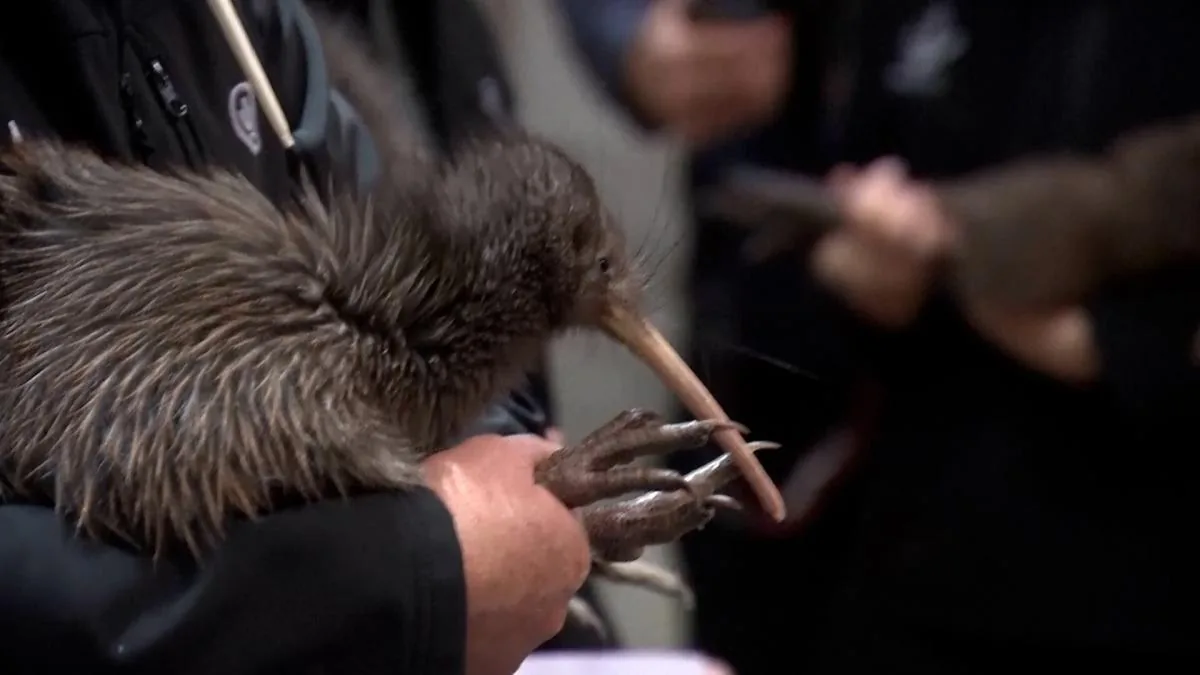
New Zealand’s most emblematic bird, the kiwi, has returned to inhabit the hills of Wellington after more than a century of absence thanks to an ambitious citizen initiative. The so-called Capital Kiwi Project, driven by neighbors, scientists, and indigenous communities, has managed to reintroduce 250 specimens around the capital, in an unprecedented effort to recover local biodiversity.
Read more Eduardo Casanova and the need to come out of the HIV closet
The project has created an extensive protected area of more than 24,000 hectares, equipped with thousands of traps for predators such as stoats or feral cats, the main culprits of the species’ decline. Thanks to these measures, the survival rate of the chicks has reached 90%, well above expectations, demonstrating the success of the conservation model based on citizen involvement.
Read more Biopic fever: all the celebrities who will have a movie
The return of the kiwi is not only ecologically valuable but also culturally and socially significant. For the first time, these nocturnal birds have been seen in urban environments and even presented in the New Zealand Parliament as a symbol of this achievement. The initiative is part of the national goal to eradicate invasive predators by 2050 and has become a global example of how community collaboration can reverse the disappearance of a species.


