After Monday’s bombings of missile sites and vessels, the ceasefire, decreed a month and a half ago, was back on life support on Wednesday, very fragile. The United States directed attacks against an Iranian drone operation and a ground control base near the Strait of Hormuz, to which the Persian country claimed to have responded with an offensive against a U.S. airbase in Kuwait. All this occurred hours after President Donald Trump denied information that he was about to reach an agreement with Tehran.
Read more Fernández Díaz and Francisco Martínez testify this Thursday in the Kitchen trial
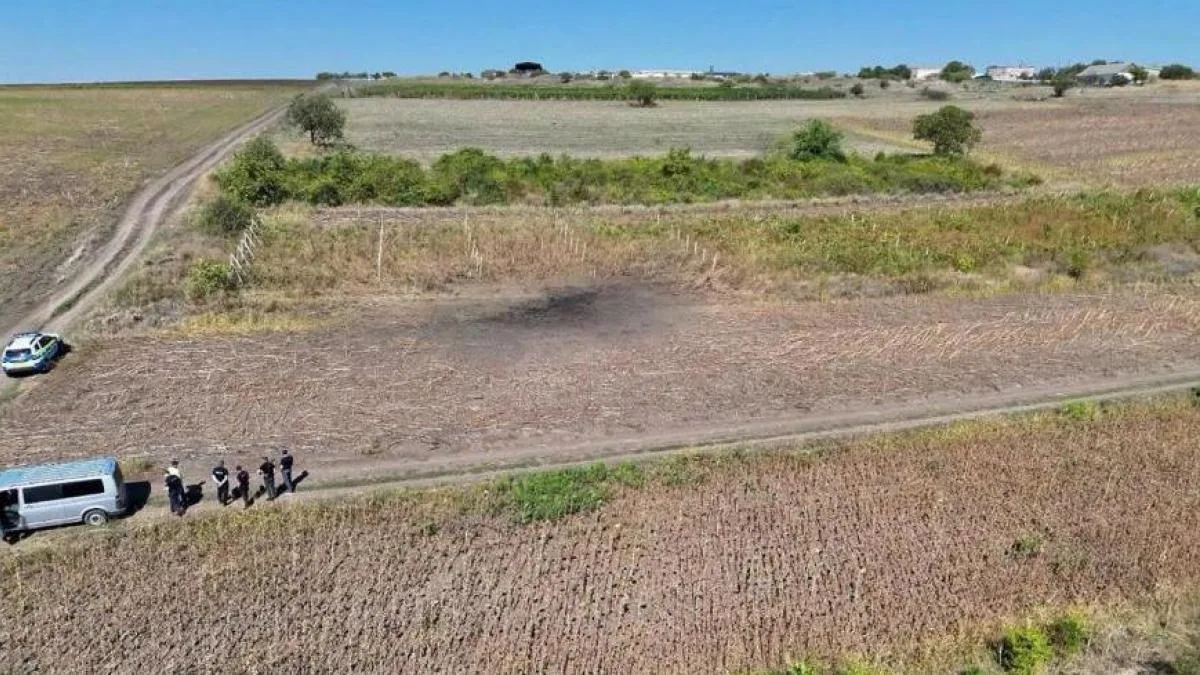
U.S. military forces shot down four drones and attacked a ground control base that was about to launch a fifth drone, according to U.S. government sources cited by the media. The attacks took place near the port city of Bandar Abbas, in southern Iran, just as two days earlier. Those sources described the bombings as defensive because the drones posed a threat to U.S. forces near the Strait of Hormuz and to commercial ships transiting the area.
Also read
An official stated that the attacks were limited and precise, and do not represent a resumption of large-scale military operations against Iran. “These actions were measured, purely defensive, and intended to maintain the ceasefire,” he emphasized. The drones, which according to these reports belonged to the Iranian Islamic Revolutionary Guard Corps, did not hit any military or civilian targets.
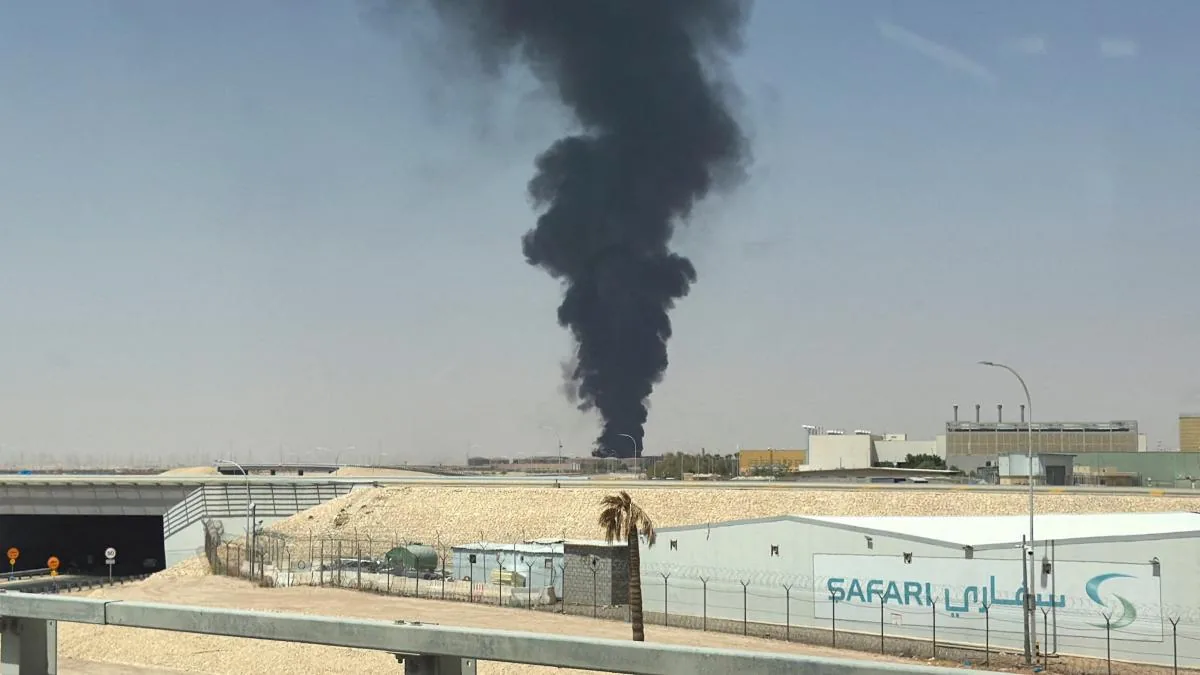
In response, the Iranian Revolutionary Guard claimed on Thursday morning to have attacked the U.S. airbase from which the attack on its port city had been launched, without providing further details. Meanwhile, Kuwait, which hosts a large U.S. base, reported that it was responding to missile and drone attacks without specifying their origin.
The attacks come as President Trump pressures Iran to reach a longer-term agreement with the United States, while threatening to resume a large-scale bombing campaign if Iran does not accept his conditions.
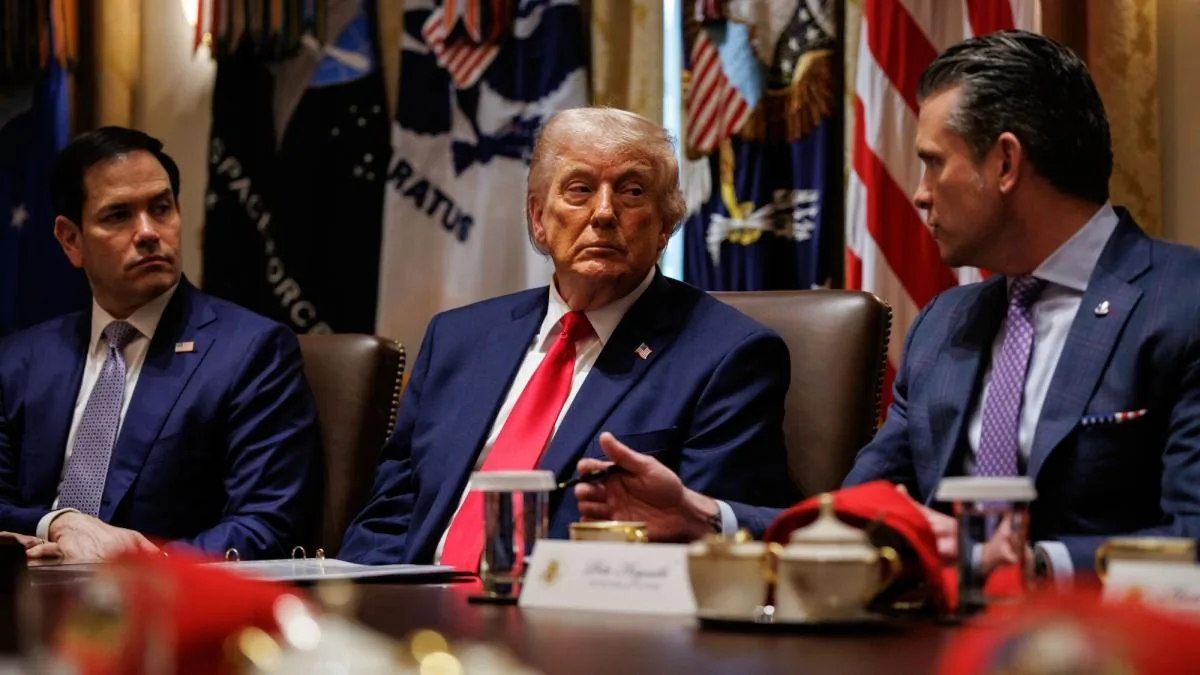
Over the weekend, the president expressed optimism. He maintained that a peace agreement had been “largely negotiated,” taking it as practically certain and imminent. But on Wednesday, Trump seemed less confident and said at a cabinet meeting that the United States “is not satisfied” with Tehran’s concessions. “Maybe we have to go back and finish it, maybe not,” Trump stressed, although he added that he believes Iran wants to reach a deal.
So he insisted that the talks are “going very well.” “I think they are starting to give us the things they have to give us,” he said. “And if they do, great, and if they don’t, then the man to my left will have to finish them off,” he warned, pointing to Defense Secretary Pete Hegseth. The military chief emphasized in his turn that “the Pentagon has everything ready if the job needs to be finished.”
Read more The Badajoz Court opens the trial for the hiring of David Sánchez
The agreement under discussion would involve a two-stage process. First, Iran would immediately allow the opening of the Strait of Hormuz in exchange for the United States lifting its blockade on Iranian ports and allowing the flow of its oil. Both parties would then negotiate a mechanism for Iran to give up its nuclear program. The non-negotiable condition for the White House is that the Islamic republic cannot obtain the atomic weapon.
Trump denies that a draft exists
Iranian public television broadcast on Wednesday a draft in which U.S. forces would withdraw from the area and lift the blockade of Iranian ports in exchange for the Islamic republic reopening the strait, although Iran and Oman themselves would be in charge of management.
This draft was dismissed by the White House as “a total invention.” During the cabinet meeting, Trump was blunt about the negotiations around the Strait of Hormuz, a critical maritime route for oil and gas that Iran effectively closed once the U.S. and Israel started the war conflict last February 28. “The strait will be open to everyone as international waters and not under Iranian control. No one will control it, we will monitor it, this is part of the discussions,” he emphasized.
“It is a memorandum of understanding to speed things up; one of the things that will happen is that Hormuz will open immediately, but it will be perfect. I didn’t do all this to get a mediocre deal,” Trump added, reiterating that Iran will not access nuclear armament.
He also ruled out the idea of allowing Russia or China to take control of Iran’s nuclear reserves, of its enriched uranium. “No, that wouldn’t make me feel comfortable,” he replied. And he insisted again that the Arab countries in the region must subscribe to the Abraham Accords for coexistence and acceptance of Israel. “They owe us that.” And if they don’t, “I don’t think we should sign” with Iran.
Trump also suggested that Tehran was “negotiating with what little it has,” because “its navy no longer exists, its air force no longer exists, everything has disappeared” and “its economy is in free fall.” However, U.S. intelligence assessments show that Iran has operational access to numerous missile sites along the Strait of Hormuz, suggesting that the country’s armed forces remain much stronger than the president conveys.
Read more Here comes the wolf! Settle for a fox!