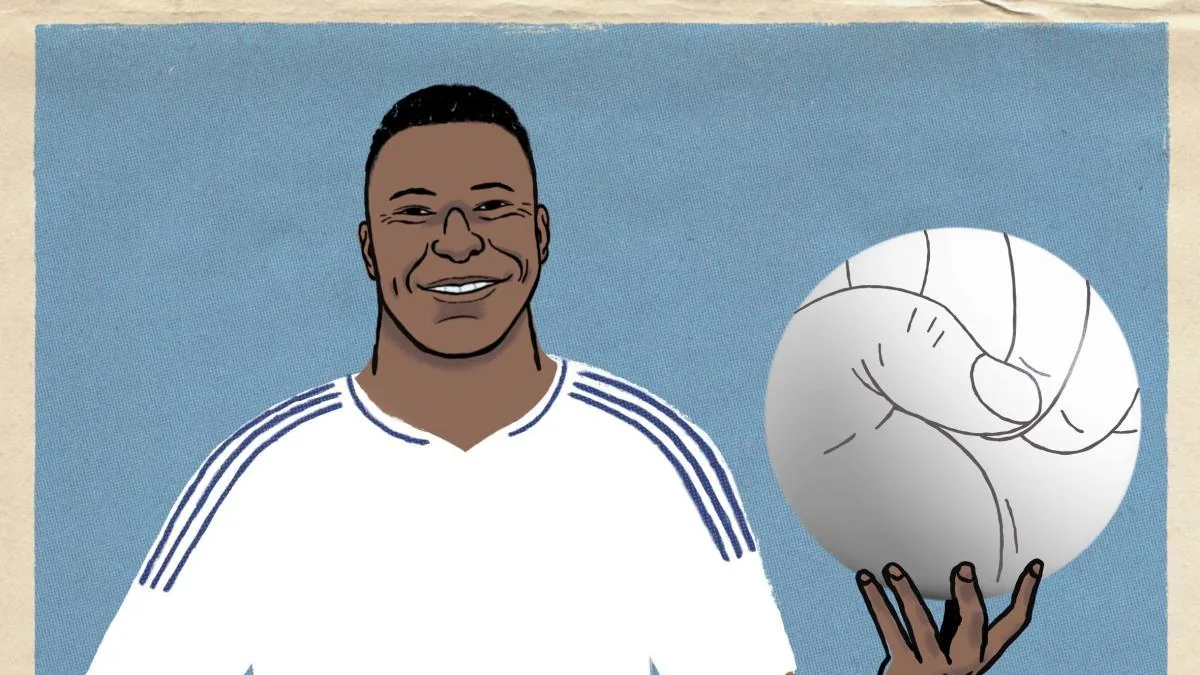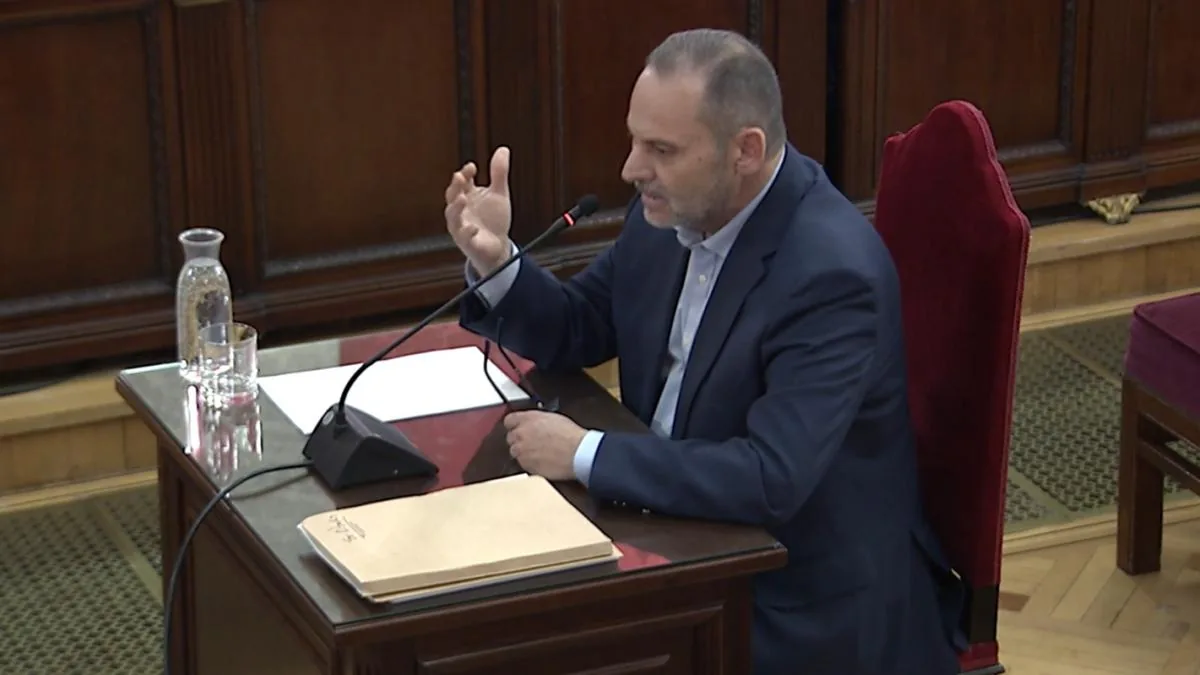
While at the Liceu, Christof Loy presents us with a young Werther in the thrilling performance of Xabier Anduaga, in the Supreme Court, an old Werther was also acting. The first Werther loves Charlotte and steps aside, while José Luis Ábalos says, perhaps, the truth he needs to shield from mockery: his love for Jéssica. The young Werther excuses Charlotte from his suicide, married to another, bound by the promise of a dead mother. Ábalos, our old Werther, excuses his statements, the lies that – according to him, coerced – his beloved had to tell to defend herself. Jéssica was a dentist without a job, perhaps in love. Werther redeems her: it doesn’t matter if you lie if that way you save yourself. He is much more generous than Anduaga’s Werther.
The love of the young Werther dazzles, but at the same time, it repulses. It is selfish, exaggerated, addictive, and destructive. On the other hand, the love of the old Werther, beyond his crimes, faults, and vices, has something that, when stated, rises above what was being judged there. The “I had a sentimental relationship with Jéssica” said in that Supreme Court room, sitting on those wooden benches those gentlemen and ladies with their robes and stern faces, their sheets of questions and follow-ups, ties, audio notes, bank statements, rented apartments, prostitution, written conclusions, tickets and chistorras, rose as a truth as small as it was pure, which the great corrupter did not want anyone to stain. What was, the love that the enamored dentist and he felt, in an apartment someone paid for, earning from a job that was not practiced, is not subject to proof. It is not debatable: it was.
The real pain lies in Jéssica’s betrayal, which Ábalos forgives, but it still hurts
Anduaga comes on stage wounded, falls, gets up, sings, falls again, sings, is dying and singing throughout the third and fourth acts of Jules Massenet’s opera. The other, the old Werther, is briefer. He declares, laughs, clarifies, contradicts and retracts, gets lost and finds himself.
His death is now civil, but the real pain lies in Jéssica’s betrayal, which he understands and forgives, but it still hurts. Ábalos is not going to kill himself because living is not unbearable for him. He believes he can endure the melancholy of prison and the love he knows exists because one day he had it, without a mask or commission.