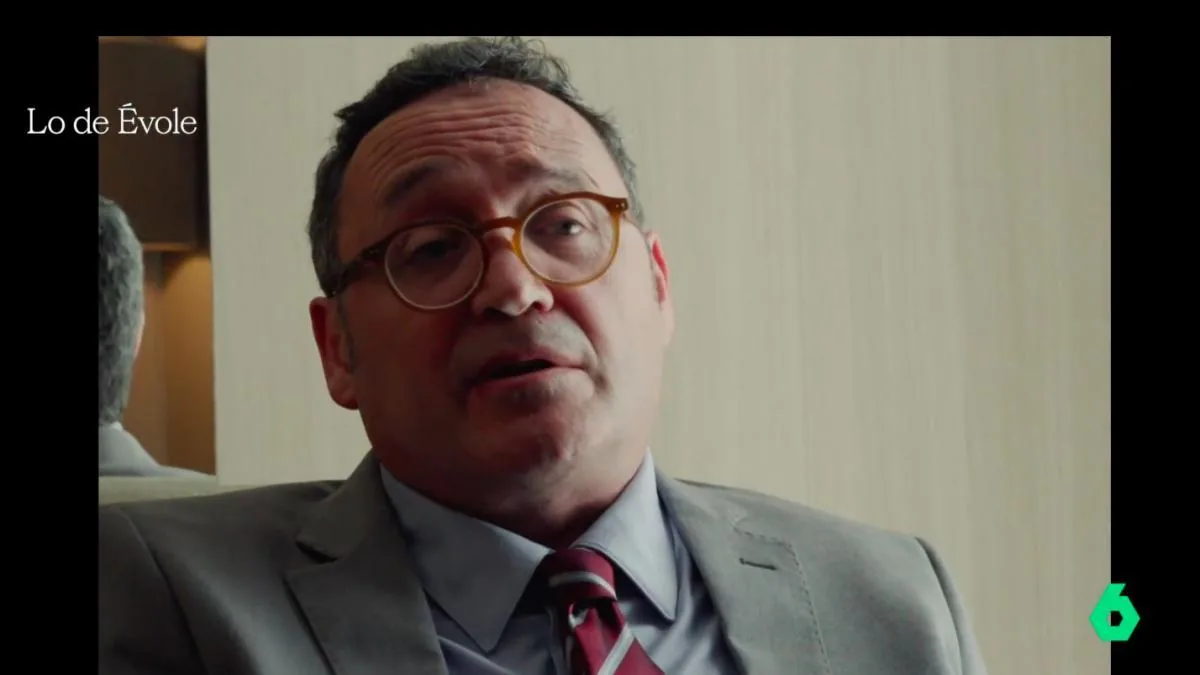
In the judicial universe, where information leaks are commonplace, the fact that the former Attorney General Álvaro García Ortiz was convicted for revealing secrets in the case of the confessed tax fraud by Ayuso’s boyfriend, Alberto González Amador, was for the convicted “a very hard surprise,” among other things because there were also leaks during the judicial process, as he revealed yesterday in his first interview after the sentence on Lo de Évole, from La Sexta.
Read more The Swordsman of the South
One of these leaks, according to García Ortiz, occurred months before the indictment – on October 16, 2024 – by the investigating judge, Ángel Hurtado. In July, García Ortiz already knew he was going to be indicted, and on October 12 he received a precise confirmation at the Hispanic Day events held in Madrid.
“It is impossible to know where it comes from,” he points out, regarding the disclosure of Amador’s email
“Since July I had the first news, a bit vague, and yes, there is a specific moment when they tell me ‘your indictment will come out next week’.” That October 12 “a high judicial authority who knew the facts” informed him, but García Ortiz avoids revealing their identity.
At another point, Évole reveals that several journalists claim to have discussed with the magistrate of the Second Chamber Manuel Marchena, long before the trial, that the original source of the email revealing González Amador’s attempt to reach an agreement with the Prosecutor’s Office did not come from the Attorney General’s Office, knowledge that would have compromised Marchena’s presence on the court of the case. The convicted man, who lamented the excessive power of the Supreme Court’s Second Chamber, said he had no evidence that this “rumor” was true, but recalled that it matches what the journalists declared at the trial and that “a judge cannot have prior or extrajudicial knowledge of cases.” Had this information been verified, it could have been grounds for Marchena’s recusal. Also of Judge Antonio del Moral, who was later known to have been the tutor of the theses of two of the lawyers, those of González Amador and the conservative prosecutors’ association Apif.
After the trial, the audio in which the president of the court, Andrés Martínez Arrieta, is heard at a course at the Madrid Bar Association excusing himself because he “has to issue the Attorney General’s sentence,” is another fact on which García Ortiz did not want to elaborate, although he expressed the “deep personal and institutional pain” caused by words that again demonstrate that information leaks proliferate in the judiciary.
Read more Tug of war between Washington and Tehran over the Iranian peace proposal
Also, in the 20 days between the communication of the sentence and its publication, García Ortiz was surprised to notice that some media “were anticipating the arguments that later appeared in the sentence.”
The former Attorney General insisted on denying that he was the source of the leak of the email with González Amador’s agreement request, although he said he had “suspicions” and that “there is more than one source,” which makes it “impossible to know where it comes from.”
Politically, García Ortiz justified not resigning after being indicted because he thought it would be “giving in, giving a sense of institutional weakness.” Also, doing so “would have caused a political problem for President” Sánchez. But he also admits that his words about the dependence of the Prosecutor’s Office will “haunt him for life.”
Read more Trump announces a joint operation to free the ships stranded in the Strait of Hormuz